


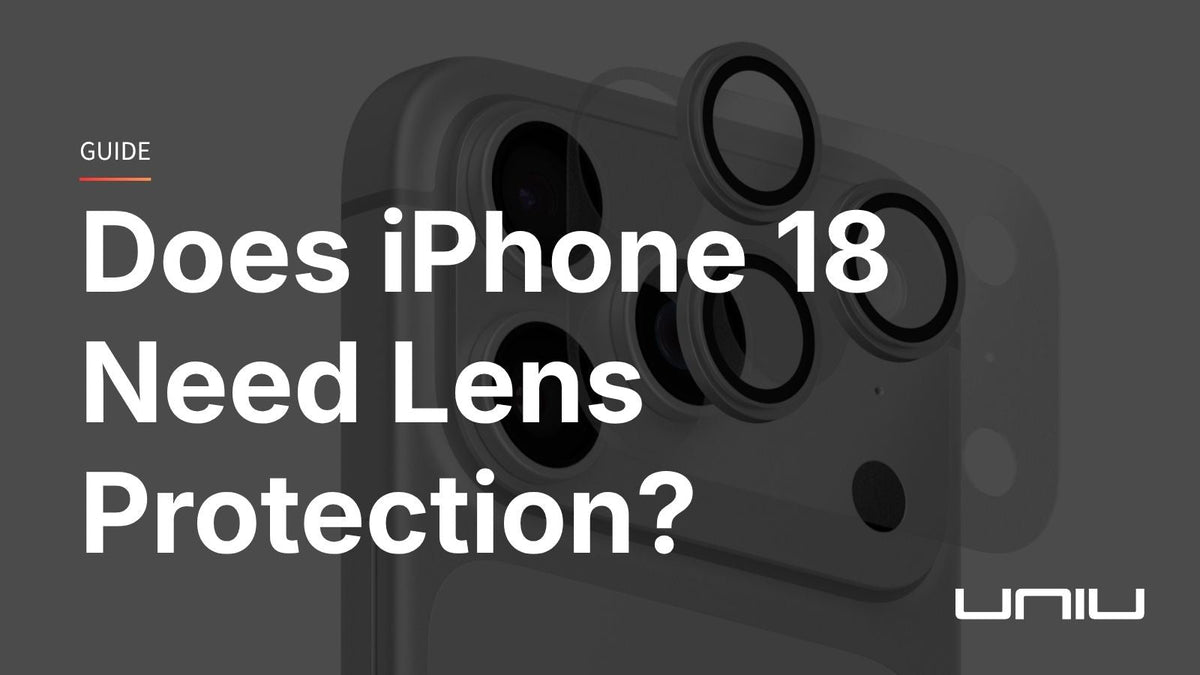
After buying an iPhone, many people immediately install a protective case and a lens protector, hoping to reduce the risk of lens scratches.
However, many users also worry:
Will a lens protector affect photos? Will there be glare in night shots? Will the image quality degrade?
The answer is:
Whether or not it affects photography depends not on whether it's applied, but on the quality and design of the lens protector itself.
Will a lens protector always affect photos?
Not necessarily.
With high-quality lens protectors, under normal installation, there usually isn't a noticeable difference in everyday photography.
However, if any of the following situations occur, it may affect the imaging:
• Increased glare in night shots
• More prominent backlighting reflections
• Foggy images
• Abnormal focus
• Increased flare
Therefore, the actual reasons affecting photography often stem from the material and installation, rather than the protector itself.
What factors might affect photography?
1. Insufficient glass light transmittance
Lenses require sufficient light input.
If the lens protector's glass has low light transmittance, it may affect night photography and low-light performance.
This is especially noticeable when shooting in nighttime environments, restaurants, street scenes, and indoors.
Recommendations:
✓ High-transmittance glass
✓ Low-reflection surface treatment
✓ Optical grade materials
2. Frame reflection causing glare in night shots
Some lens protectors feature a high-gloss metal ring or mirrored frame design around them.
When shooting at night, light entering the lens and reflecting may form:
• Aperture flares
• Halos
• Glare
• Ghosting in night scenes
This is especially prone to occurring with iPhone night photography.
Recommendations:
Choose a lens protector with low reflection, a non-mirrored finish, or an anti-reflective design.
3. Dust and fingerprints during installation
Many people think reduced image quality is due to the lens protector.
But in reality:
Dust, fingerprints, and oil are common culprits.
If there is residue between the lens and the protector, such as:
• Dust
• Fingerprints
• Lint
• Moisture
It can cause fogginess, glare, and localized blur.
Always ensure the lens is clean before installation.
How does UNIU VISTA Lens Protector balance protection and photography?
Taking the UNIU VISTA Lens Glass Protector as an example, in addition to daily protection, its design also considers the photography experience.
VISTA uses AR coated glass, with a light transmittance of up to 98.5%, reducing reflection and glare, and balancing daily photography with night shots.
Combined with:
✓ 98.5% AR high-transmittance glass
✓ AR anti-reflective coating
✓ 9H tempered glass for enhanced scratch resistance
✓ Anodized aluminum alloy frame design
✓ Precise installation positioning
✓ Overall structure considered for compatibility with protective cases
In addition to reducing the risk of daily scratches and impacts, it aims to strike a balance between protection and the photography experience.
Do you need a lens protector?
If you have any of the following situations, installation is still recommended:
✓ Often carried in pockets or bags
✓ Frequent contact with keys or metal objects
✓ More outdoor activities
✓ Worried about lens scratches
✓ Long-term use of a phone case
The main purpose of a lens protector is still to:
Reduce wear and tear and daily impact risks.
Conclusion
A lens protector does not necessarily affect photography.
The actual factors affecting imaging are often material quality, reflective design, and installation details.
By choosing a suitable lens protector and installing it correctly, you can balance protection and photo quality.
Protecting your lens doesn't mean sacrificing image quality.
分享:
Is the Apple Watch titanium band worth buying? An analysis of its lightness, durability, and texture.
How to choose an iPhone case? A complete guide from drop protection and feel to materials.